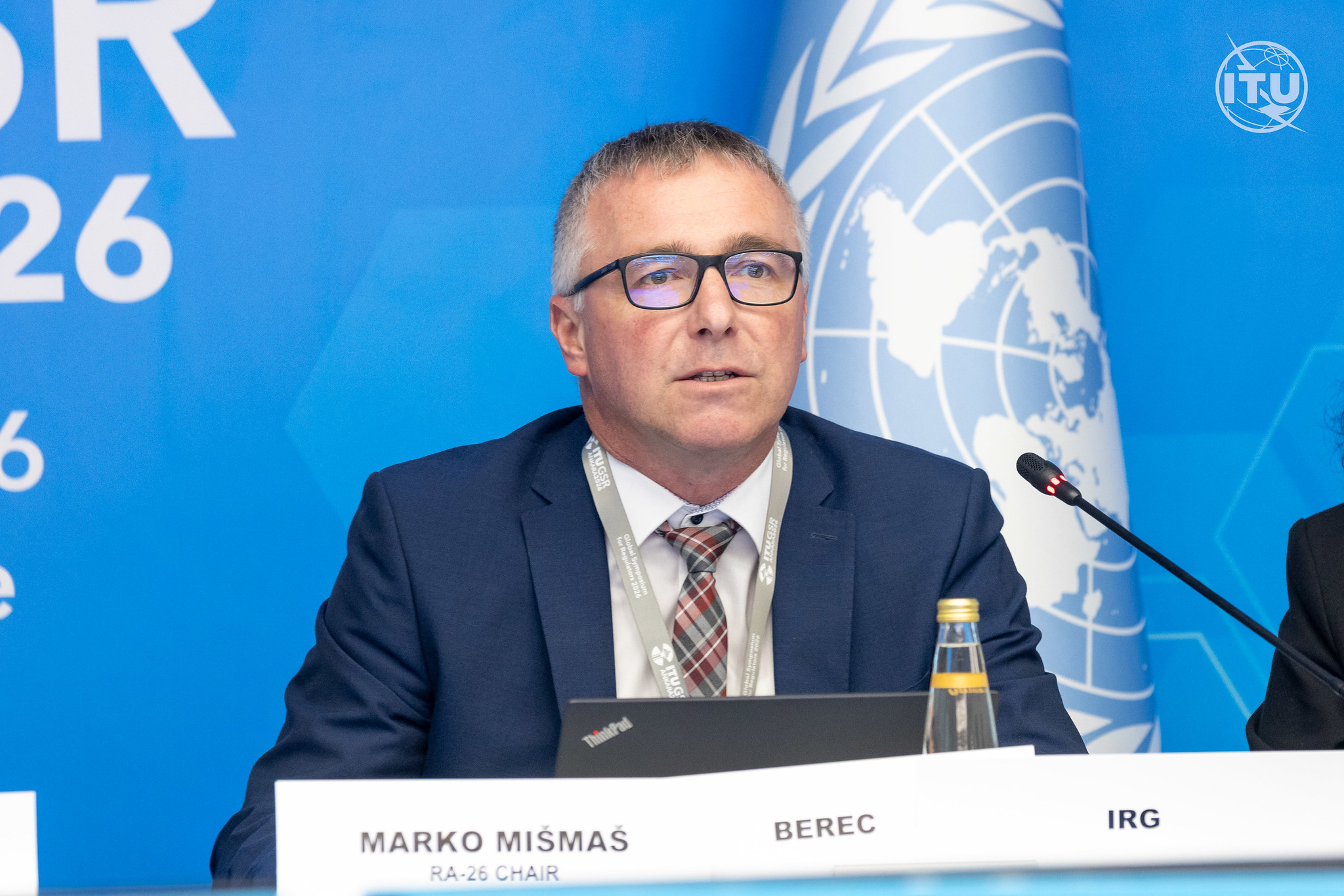
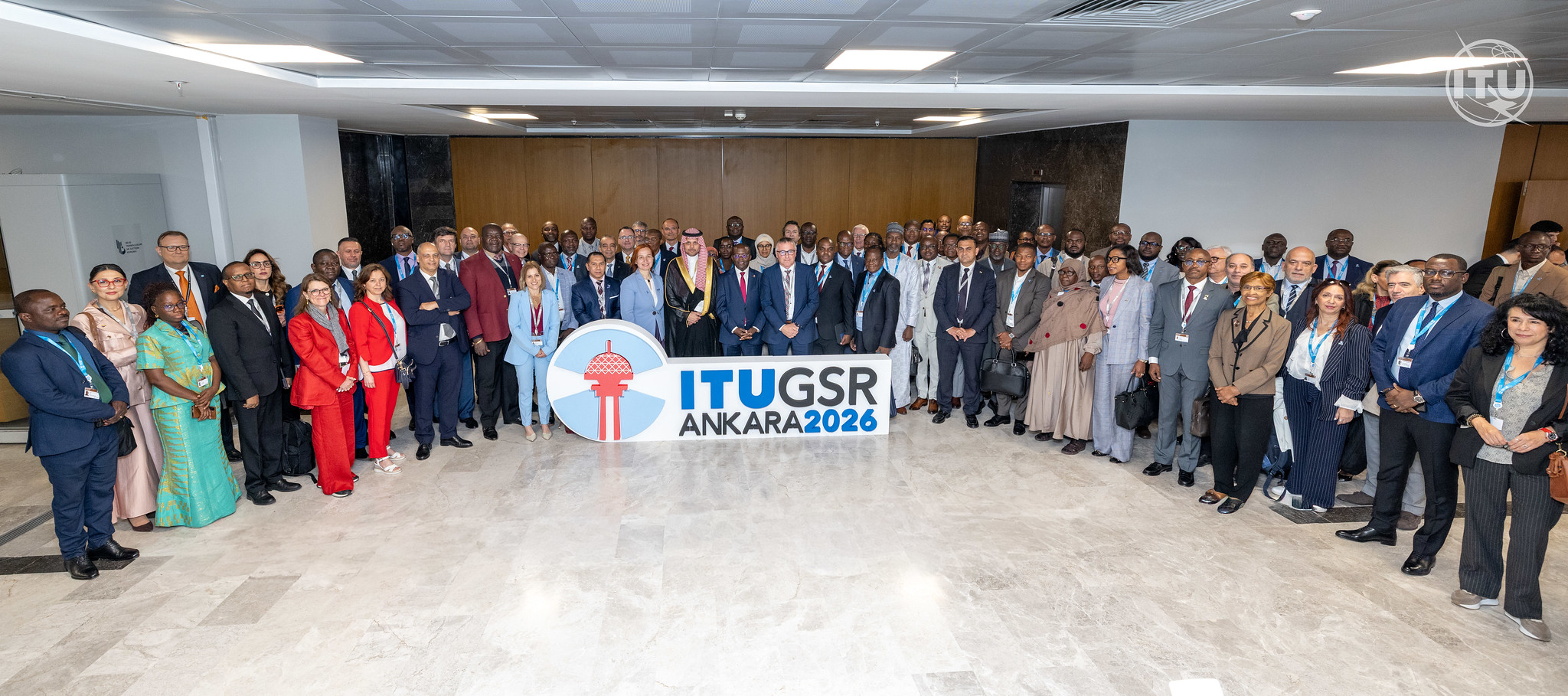
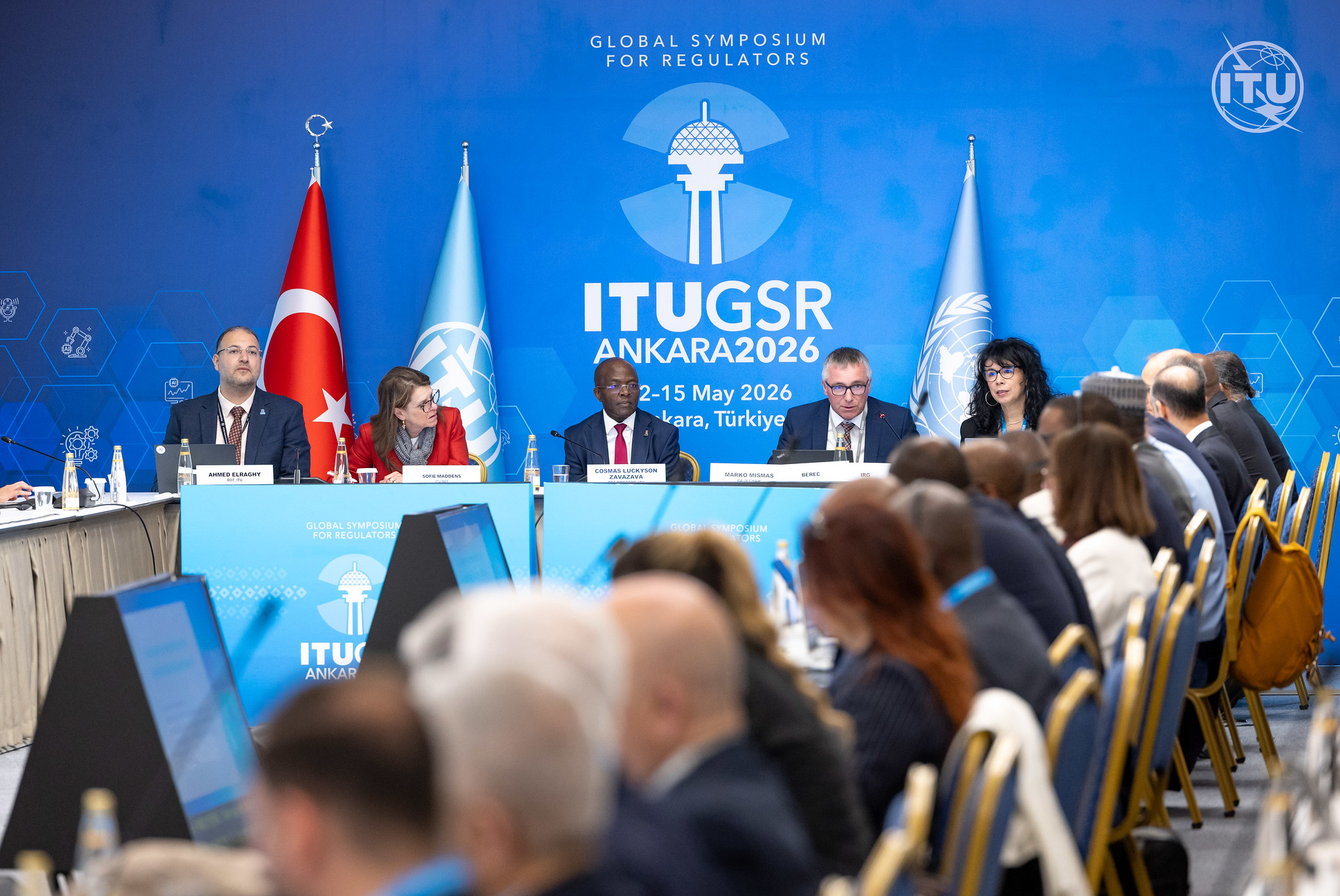
At the opening of the ITU Global Symposium for Regulators (GSR) in Ankara, Marko Mišmaš, Director of the Agency for Communications Networks and Services of the Republic of Slovenia (AKOS) and Chair of BEREC, stressed the importance of regional cooperation in shaping effective and future-proof regulation of digital networks.
In his opening address, Mr Mišmaš stressed that the global nature of digital services requires closer regulatory dialogue between countries and regions.
"Regional cooperation is becoming key to developing effective and future-proof regulation of digital networks, as digital services and technologies have long transcended national borders," he stressed.
The future of European connectivity and the transition to a high performance fibre environment also featured prominently in his speech, noting that Europe is entering a crucial phase in the evolution of communications networks.
He presented the proposal for a new European regulatory framework - the Digital Networks Act (DNA), which was presented by the European Commission in January this year. The new framework will unify and replace several existing pieces of electronic communications legislation and, according to Mishmash, represents an important step towards simplifying the rules and strengthening Europe's Digital Single Market.
The future regulatory framework must strike a balance between promoting investment, effective competition and user protection, he said.
"Europe needs large-scale and long-term investment in fibre networks, but this can only happen with a predictable, proportionate and stable regulatory environment. Competition and investment in telecoms are mutually supportive," he stressed.
Mr Mišmaš also stressed the importance of a coordinated transition from copper to fibre networks.
"Optical fibre networks do not in themselves eliminate market power. Local monopolies may still exist and targeted access regulation will continue to be necessary," he said.
He also highlighted new market models such as co-investment, operators operating exclusively at wholesale level and more infrastructure sharing. These models offer important development opportunities, but require thoughtful regulatory adjustments and greater harmonisation of rules across Europe.
In his closing remarks, Mr Mišmaš stressed the strategic importance of connectivity for Europe.
"Connectivity today is not just a question of telecoms markets. It underpins digital competitiveness, strengthens societal resilience and is part of Europe's strategic autonomy. Therefore, regulation that is at the same time predictable, proportionate and flexible enough to respond to future technological and market changes will be key to the successful development of the digital society," he added.
This year's ITU event, "Navigating the Digital Frontier", brings together regulators from around the world to discuss approaches to create a resilient, secure and inclusive digital environment in an era of increasing connectivity and convergence of technologies and business models.
